
Dispatch #7: Playing the Odds— Breed Genetics, Probabilities, and Practical Application
In our last dispatch, we took the 10,000-foot view of ethno-cynology, and examined how human cultures engineered dogs for highly specific, functional purposes over millennia. But theory without application is just that, theory…
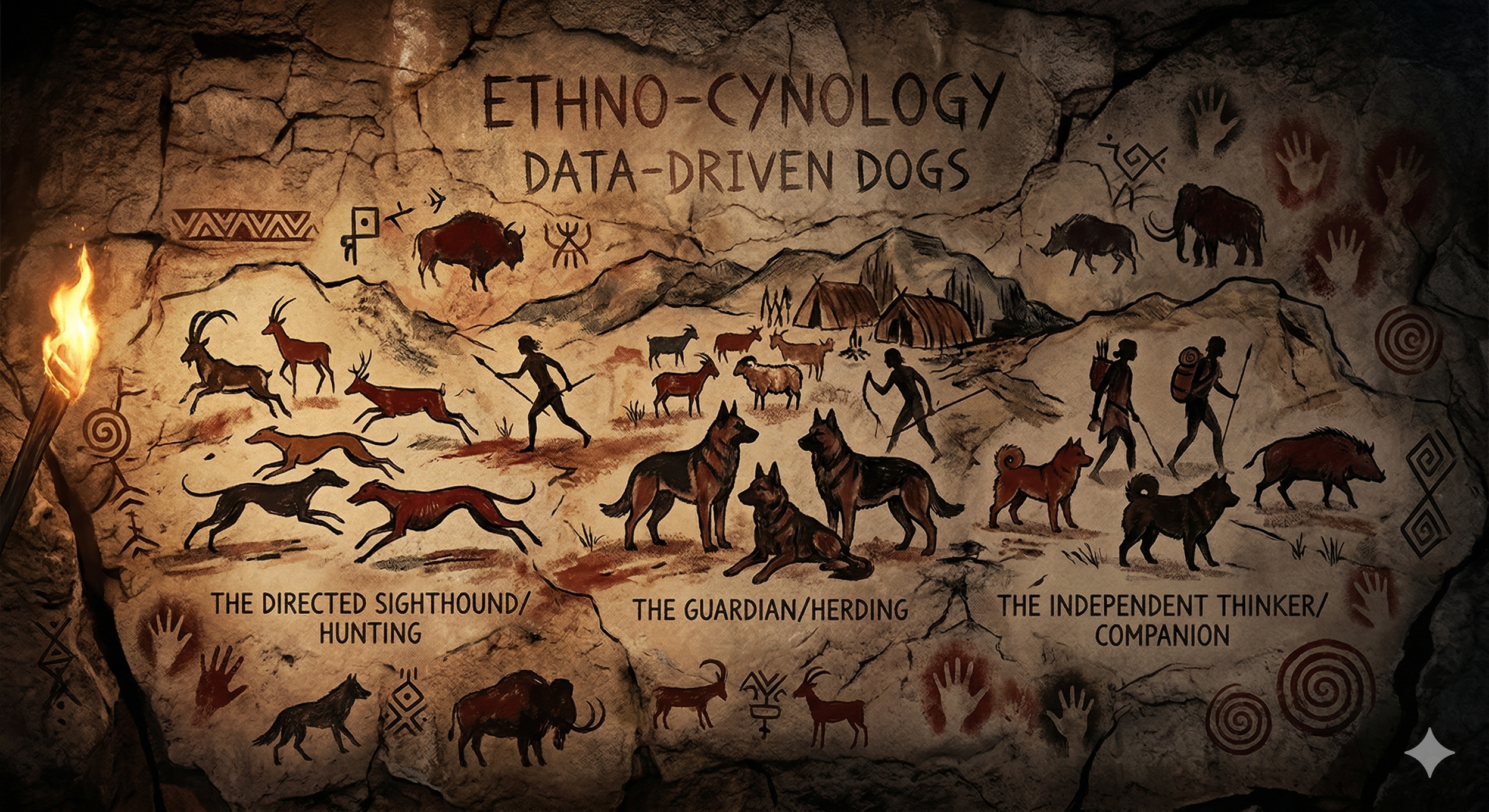
Graphic created with AI
Today, we are exploring how all of this science affects us in the real world, where the leash meets the collar.
Disclaimer: While reinforcement history, timing, environmental stress, and a dog's developmental stage are all critical variables, the friction you experience in training often traces back to a dog’s purpose-built genetics and a trainer’s modern, cultural expectations. If you want to train effectively, you have to take all of these things into account. There is no one thing that outweighs everything else, just like communication, its everything continuously all at once. But don’t fret, let’s get into it!
The Trainer’s Cultural Baggage
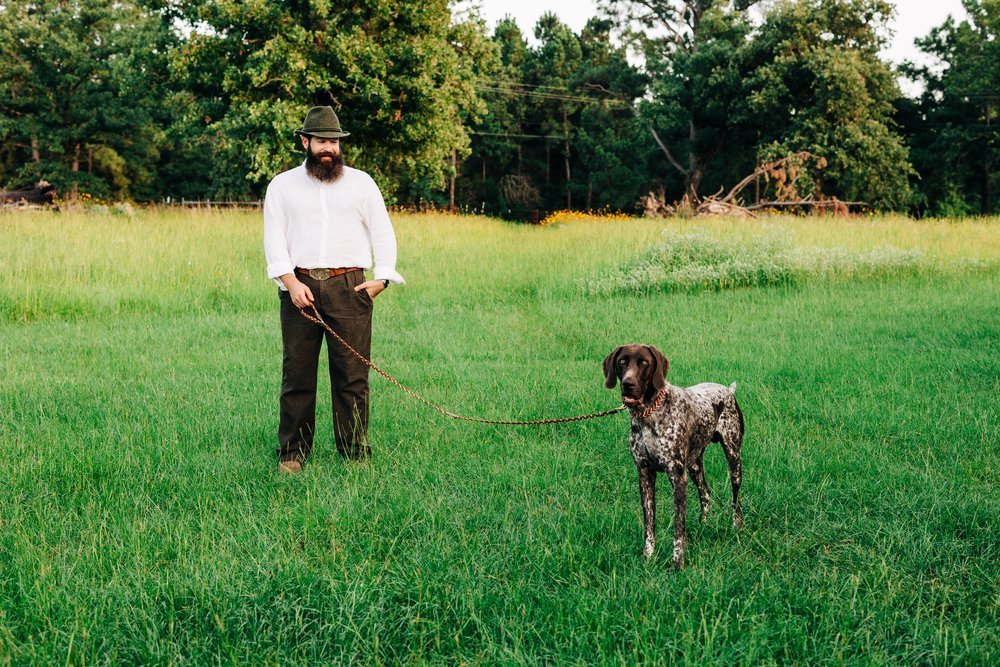
Deutsch Kurzhaar Archer models the “Bruce” leash and collar combo (available in the store) while Justin Walther models an outfit of mixed cultural origins ( Bavarian and American ) Photo by Jeanette Sorianello Kosse TX 2024.
As data-driven trainers, the first variable we have to control is always ourselves. Modern society views dogs through a heavily humanized, anthropomorphic lens (Dispatch #5). While this humanized view can sometimes increase empathy and care in a general ownership context, in the training environment, unchecked anthropomorphism frequently leads to misinterpretation. We expect animals engineered over centuries for extreme stamina, high prey drive, and environmental dominance to seamlessly integrate into sterile, low-impact suburban living rooms. And as many of you have experienced, that can work but usually ends up in chewed up belongings and behavioral issues.
When a dog fails to meet that modern cultural standard, as trainers we frequently mislabel biological drive as disobedience. I’m sure most of us have heard or said it ourselves, “That dog is being disrespectful” or “He’s just blowing you off”. A trainer might get frustrated when a scent hound drops its nose and blows off a recall, or when a terrier exhibits destructive shredding behaviors on the furniture. We correct the dog for disobeying but fail to recognize that the animal is simply executing its genetic programming and especially in young dogs that may simply override the unnatural behaviors we conditioned it to do.
As usual, science backs up how detrimental this humanized lens can be to training. The study we covered in Dispatch #5 applies here as well. Let’s recap. In 2009 researcher Alexandra Horowitz examined the infamous "guilty look" that trainers frequently project onto their dogs. The study showed that a dog exhibiting "guilt" is not displaying an understanding of a moral transgression or rule-breaking. Instead, the dog is simply displaying submissive behaviors in direct response to our current verbal and non-verbal cues like tone, demeanor etc.
When you project complex human morality onto a dog, you are no longer training the animal in front of you. You’re exercising your imagination and practicing wishful thinking. Before you apply a correction, you take a step back and analyze what is really going on. Evaluate the behavior based on the hardware the dog was built with, and your past training experiences not the manners you prefer it to have. Let’s look at some new science now!
The 14 Behavioral Baselines (The C-BARQ Traits)
Ethno-cynology does not just dictate what a dog wants to do it fundamentally influences how the dog processes information and learns. While Pavlov’s principles of conditioning absolutely apply, remember that everything in behavior and psychology is a spectrum and never black and white.
To understand the baseline you are working with, let’s look to the Canine Behavioral Assessment and Research Questionnaire (C-BARQ). This is a widely used metric developed by researchers to quantify canine temperament.
A landmark 2019 study published in the Proceedings of the Royal Society B by Evan MacLean and his team, analyzed C-BARQ behavioral data from over 14,000 dogs alongside genomic datasets. They found that behavior is not just a product of the environment, which is what Pavlov’s research would suggest. Rather it showed significant heritable variation across breed lineages (along with environmental conditioned variation).
But let’s get one thing straight before we look at this data: genetics provide a blueprint, not a crystal ball. Just because a dog belongs to a specific breed with established genetic commonalities does not mean it has to act a certain way. We are dealing with probabilities, not absolutes. A dog is simply statistically more likely to exhibit the specific set of behaviors its ancestors were engineered for. You are playing the odds.
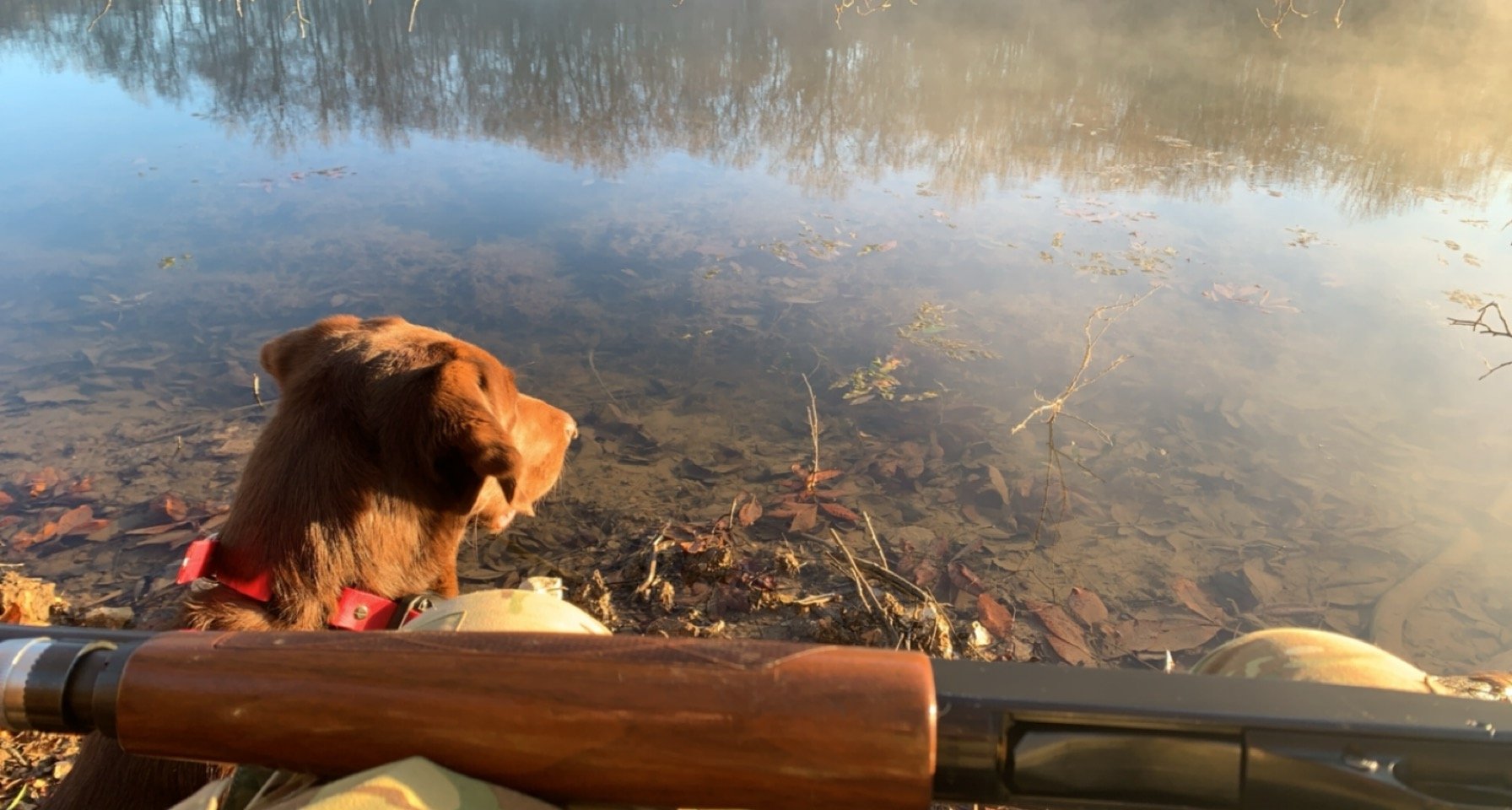
Labrador Lucy is highly alert and demonstrates outstanding eyesight during her first duck hunt as she was genetically designed to exhibit these behaviors. (Photo by SPC Walther)
It is crucial to understand that the 14 behavioral dimensions measured by C-BARQ are statistical constructs, not discrete, fixed biological modules. They are not fully determined by DNA alone, each reflects a complex gene-by-environment interaction. However, they provide a measurable baseline for the hardware you are working with:
1. Trainability: The dog's genetic willingness to attend to the handler, obey commands, and ignore environmental distractions. While this trait shows strong heritability, it is important to note that the degree of heritability varies depending on the dataset, statistical model, and population sampled. (Golden Retrievers, German Shepherd Dogs)
2. Stranger-Directed Aggression: Threatening or hostile responses to unfamiliar people. This was selectively engineered into guardian and protection breeds for operational reasons. (Anatolians, Heelers)
3. Chasing (Predatory Drive): The instinct to pursue moving objects, animals, or targets. This is the predatory motor sequence highly visible in sighthounds and terriers. (Salukis, Belgian Malinois)
4. Attachment and Attention Seeking: The drive to maintain close proximity to the handler. This is a critical baseline for cooperative working dogs that need to stay highly engaged with a human counterpart. (Labradors and Spaniels)
5. Owner-Directed Aggression: Hostile responses directed at the handler, often triggered by resource guarding or physical manipulation. (Wolf Hybrids, Coydogs)
6. Dog-Directed Aggression: Threatening or hostile responses toward unfamiliar dogs.
7. Dog Rivalry: Aggressive or competitive behavior directed at familiar dogs within the same household or working kennel. (Bull terriers, and fighting breeds)
8. Stranger-Directed Fear: Wary or avoidant responses to unfamiliar humans. (Herding Dogs, Bully breeds)
9. Non-Social Fear (Environmental Stability): A dog’s baseline reaction to loud noises, traffic, or sudden environmental shifts. If a working dog lacks environmental stability, its operational capacity drops significantly. (Toy Breeds, Anything “Miniature”)
10. Dog-Directed Fear: Fearful or avoidant responses to unfamiliar dogs.
11. Separation-Related Behavior: The tendency to vocalize, destroy property, or panic when isolated from the handler. (Any high drive biddable breed)
12. Excitability: The dog's threshold for arousal in stimulating environments, and the time it takes to settle back to a neutral baseline. (Working line dogs)
13. Touch Sensitivity: Wary or fearful reactions to physical manipulation, grooming, or veterinary procedures. (Herding Dogs, and Protection Breeds)
14. Energy Level:The dog's baseline stamina and requirement for physical output. (Anything other than pet lines and toy breeds)
When you look at that list, you realize that many training friction points can be deeply rooted in these genetic factors interacting with the dog's environment.
The Operational Application
This genetic history directly impacts your mechanical approach to training, specifically regarding handler focus. Another 2009 study in Behavioral and Brain Functions by Márta Gácsi and colleagues compared independent working breeds against cooperative working breeds. The researchers demonstrated that breeds selected for cooperative work (like herding dogs and gundogs) established eye contact with humans faster and maintained it significantly longer than independent breeds (like hounds and earthdogs).
These historical and biological blueprints provide a starting point for your methodology:
The Directed Worker: Highly biddable, cooperative dogs often thrive on luring and rapid iteration. Because they are genetically primed to look to the handler for the next micro-instruction, they are generally highly responsive to fast-paced, high-repetition obedience drills. (Labradors, Belgian Malinois, Spaniels)
The Independent Thinker: Trends exist, but individual variation is large. Many dogs from "independent" breeds can handle repetition perfectly well with a solid reinforcement history. However, as a baseline, their ethno-cynological background did not prepare them to sustain constant human eye contact or wait for micro-management. While "shutting down" under heavy drilling is not a universal or inevitable response, you will often find more success by relying heavily on shaping—setting up the environment and allowing the dog to solve the puzzle on its own terms before marking and rewarding the behavior. (Pointers, Hounds)
Conclusion
Stop trying to force a square peg into a round hole. If you are struggling with a dog, step back, take a breath and objectively assess its breed history against those 14 traits. What was it engineered to do, and how did its ancestors interact with humans to get that job done? “Was my dog bred for specific working styles or as a pet?”
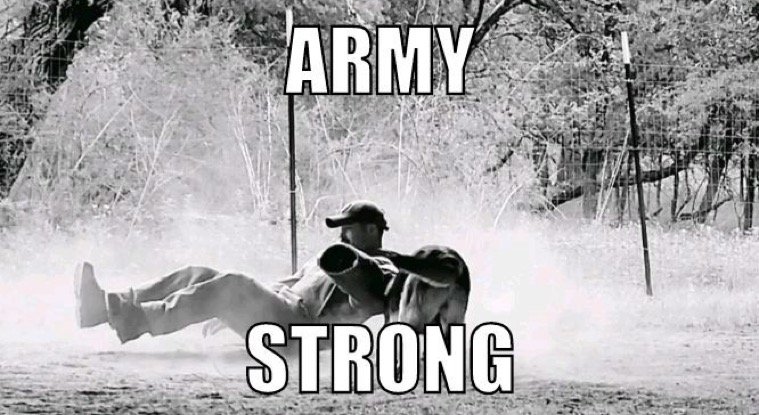
Military Working Dog Course Instructor Sergeant Walther was violently taken down by an MWD on a pursuit bite because it was faster than expected. This demonstrates that failure (and sometimes pain) is part of dog training. (Photo By a member of EDT 8 at JBSA Lackland 2023)
If your methodology is failing, do not blindly escalate the pressure. Look at the variables: the environment, your timing, the dog's reinforcement history, and its genetic learning style. A scientifically grounded training plan works with the dog's ethno-cynological blueprint, rather than fighting a losing battle against it.
Let me be entirely clear as we wrap this up: nothing we’ve covered today is a magic trick. There is no single, universally correct way to train a dog and anyone selling you a one-size-fits-all system is selling snake oil. Whether we are unpacking Pavlovian conditioning, analyzing C-BARQ data, or mapping out a dog's ethno-cynological history, these concepts are not cheat codes. Rather, they are diagnostic tools. The goal of digging into the science isn't to find a silver bullet that bypasses the hard work of continuously analyzing the dog in front of you. The goal is to broaden your understanding. Every training decision you make is nothing more than an educated guess, the more you learn, the better your chances of making the right one. We use data to inform our actions, strip away our cultural biases, and sharpen our problem-solving skills when a training plan inevitably goes sideways. You still have to put in the reps but when you understand the biological hardware of the dog in front of you, every rep actually counts. As always we have to Analyze-Apply-Achieve!
Sources:
Gácsi, Márta, et al. "Effects of Selection for Cooperation and Attention in Dogs." Behavioral and Brain Functions, vol. 5, no. 1, 2009, p. 31.
Horowitz, Alexandra. "Disambiguating the 'Guilty Look': Salient Prompts to a Familiar Dog Behaviour." Behavioural Processes, vol. 81, no. 3, 2009, pp. 447-452.
MacLean, Evan L., et al. "Highly Heritable and Mutually Correlated Behavioral Traits in Domestic Dogs." Proceedings of the Royal Society B: Biological Sciences, vol. 286, no. 1912, 2019, p. 20190716.